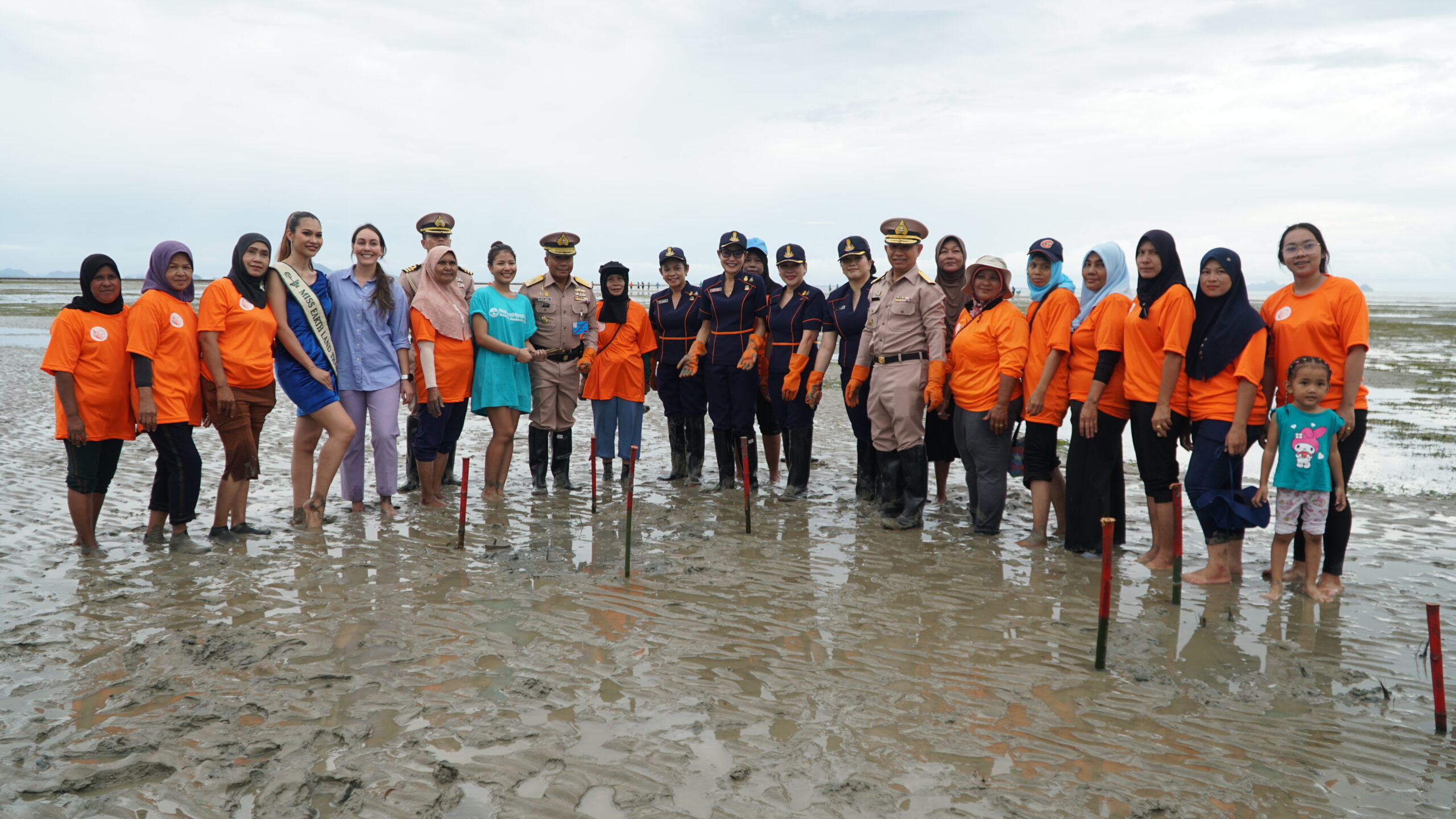
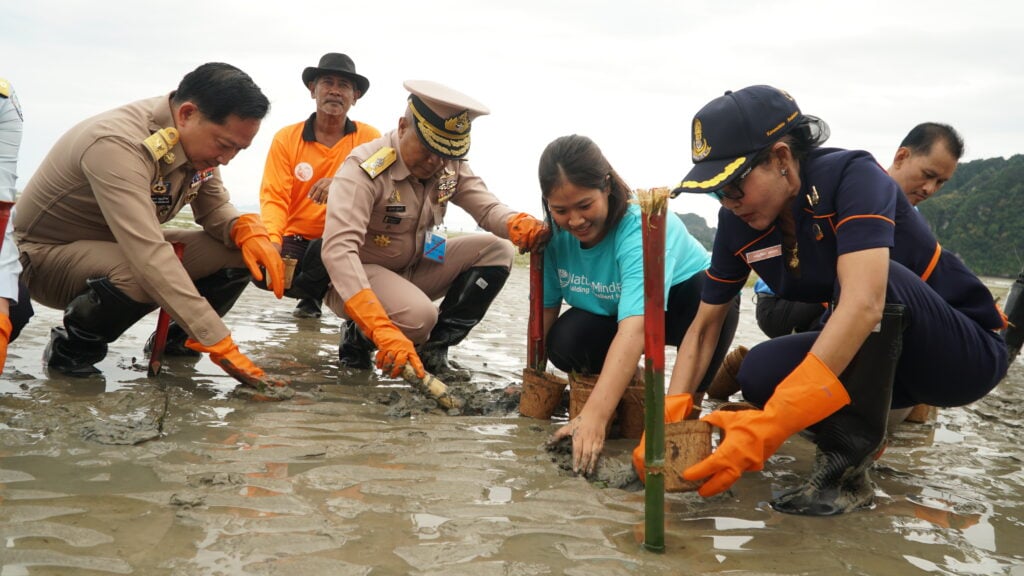
Seagrass meadows are vital coastal ecosystems. They store carbon, stabilize sediments, support fisheries, and provide essential habitat for marine life.
Seagrass meadows are quiet but essential coastal ecosystems. They provide nursery grounds for fish, stabilize sediments, store carbon, and support diverse marine life. In Thailand, they are especially important as critical feeding grounds for the dugong, a vulnerable species whose survival depends on healthy seagrass beds. Today, seagrass meadows face increasing pressure from coastal development, destructive fishing practices, pollution, and climate change. Their decline threatens biodiversity, carbon storage, and the species and communities that rely on them.
seagong
Currently active Projects
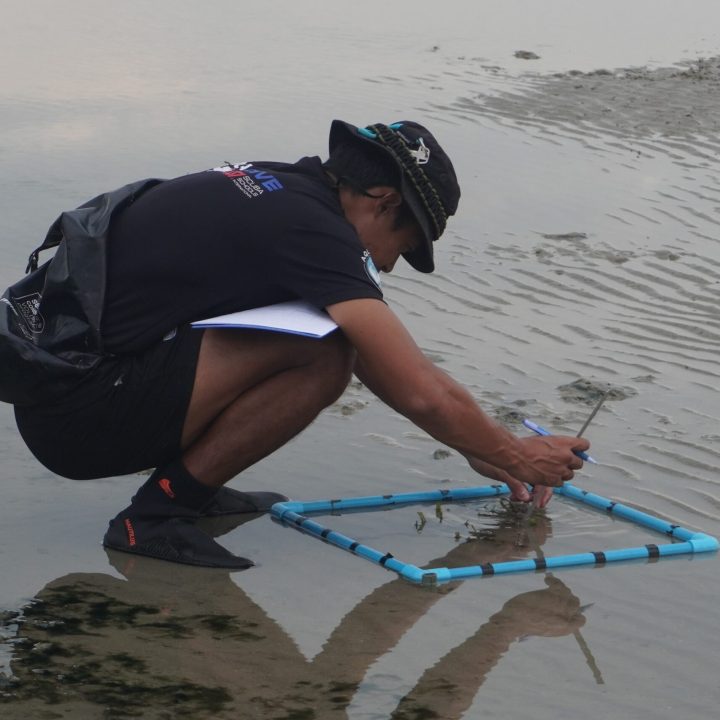
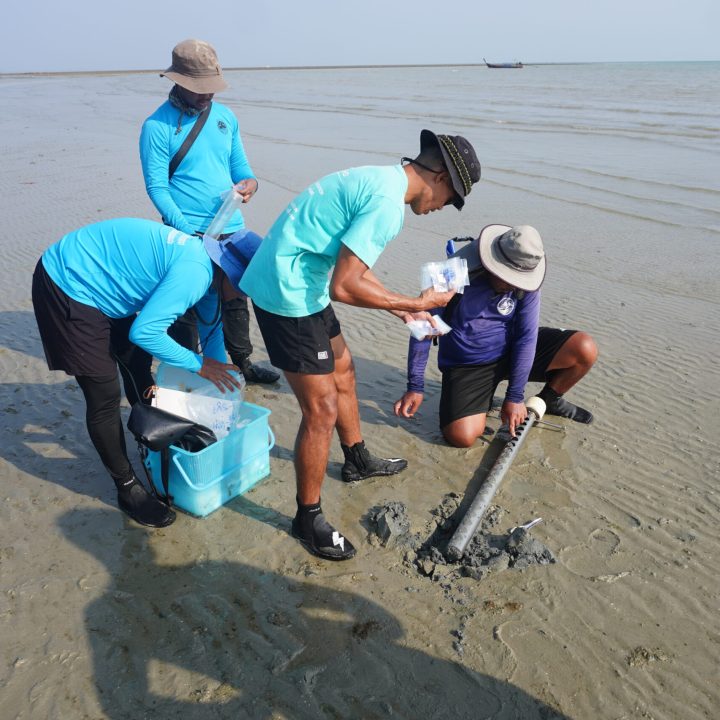
Seagrass Mapping and Monitoring
Using field surveys, drones, and GIS tools to map seagrass meadows and track their health over time, providing the data needed to guide protection and restoration.
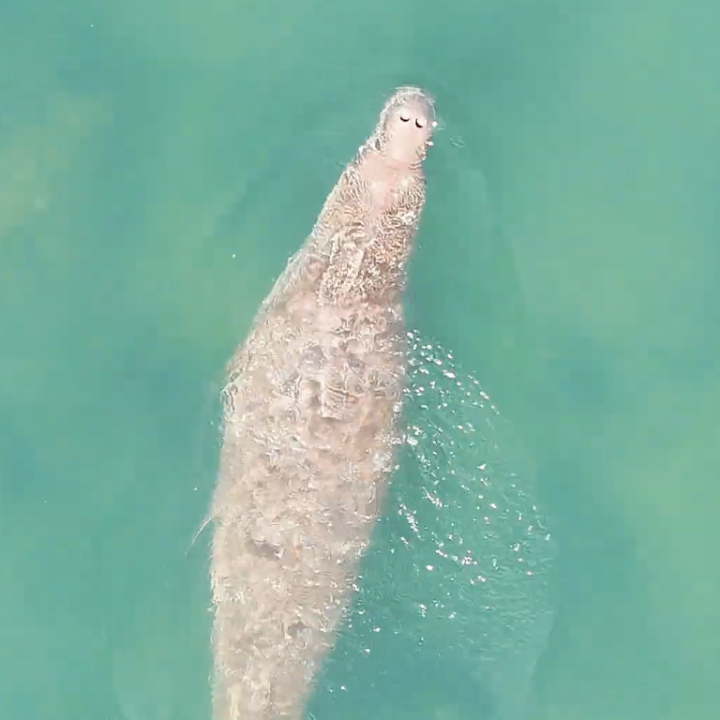
Dugong Population Research
Studying dugong feeding behavior, habitat use, and population dynamics to better understand their needs and strengthen protection of this vulnerable species.
Seagrass Restoration Trials
Testing new techniques for replanting and recovery, including propagation from seeds and patch-based transplanting, to improve survival rates and genetic diversity.
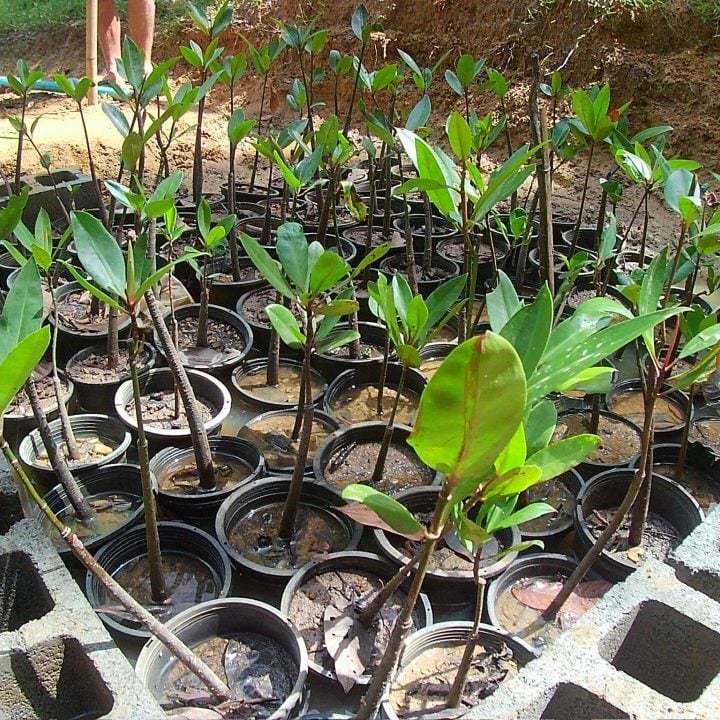
Nasook Mangrove & Seagrass Field Lab & Nursery
Building and operating a living laboratory at Nasook Wellness Resort, where mangrove and seagrass seedlings are cultivated, monitored, and used for research and restoration projects across the province.
seagong
Impact
SeaGong was created with the dugong as its guiding species, combining research, restoration, and community partnership to protect seagrass ecosystems. Our work includes mapping and monitoring seagrass meadows, studying dugong habitat use and feeding behavior, and advancing innovative restoration methods.
Through the Nasook Nursery & Field Lab, we are developing alternatives to low-survival traditional planting techniques. By experimenting with seed-based propagation and patch-style transplantation, we improve genetic diversity, strengthen root systems, and increase restoration success. Together with local communities, SeaGong works to restore resilient seagrass meadows that support biodiversity, store carbon, and sustain coastal livelihoods.