Community-Based Ecosystem Restoration in Krabi, Thailand
Naturemind R&D
LIVING LABORATORIES FOR FOREST-TO-REEF REGENERATION
Advancing regenerative development through restoration research, stewardship, transformative education, Interactive Governance & Social enterprising
NatureMind Research & Development implements community-based ecosystem restoration across the Andaman coast of southern Thailand, restoring interconnected ecosystems while strengthening local communities’ capacity for long-term stewardship.
Our forest-to-reef approach recognises forests, mangroves, seagrass meadows and coral reefs as an interconnected social-ecological system, where changes in one ecosystem affect the others. Lasting restoration therefore requires working across these ecological connections rather than treating habitats in isolation.
Through a network of Living Laboratories, we bring together scientific research, ecological restoration, community participation, transformative education and collaborative governance within an adaptive learning system. These place-based initiatives generate practical knowledge for local restoration while building social-ecological resilience and informing regenerative development beyond Krabi.
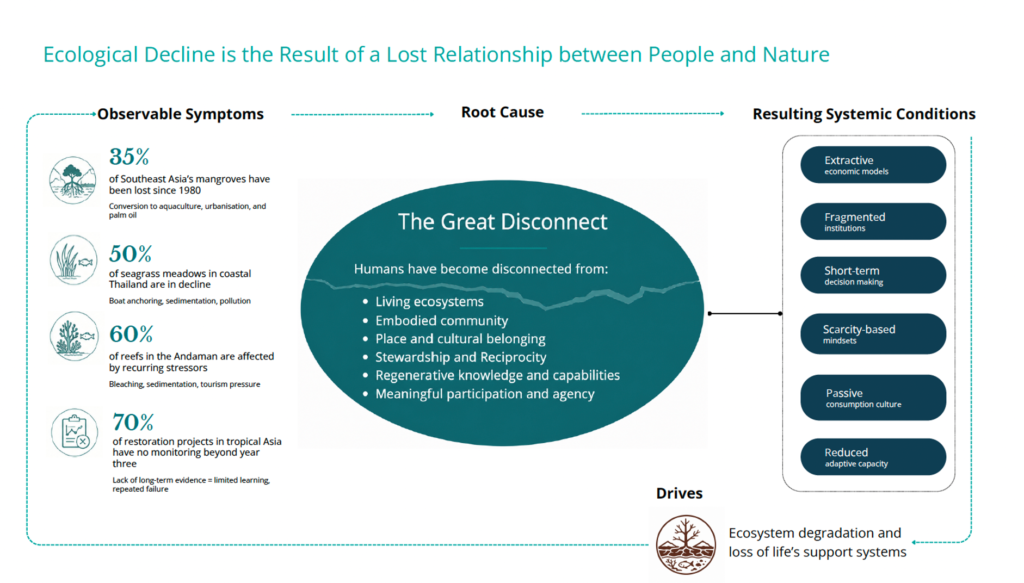
Problem assumption
Environmental degradation due to resource exploitation ‘the great disconnect’
LIVING LABORATORIES FOR SOCIAL-ECOLOGICAL REGENERATION
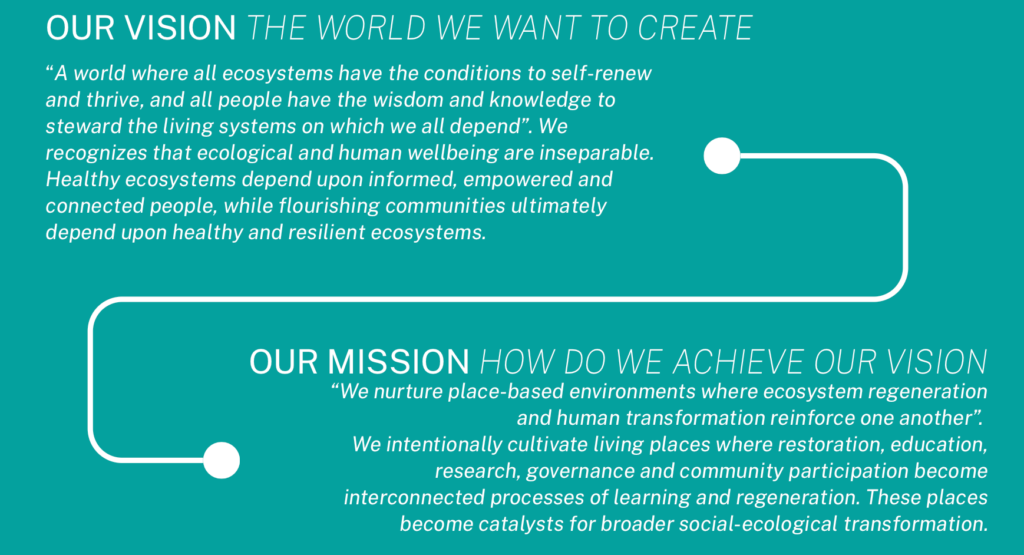
Our solutions framework
We act as community social-ecological resilience brokers implementing community-based, transdisciplinary ecosystem restoration programmes
Research for restoration and co-design of management plans with decision makers.
Build technical capacity in environmental stewardship, sustainability, ecological restoration.
Build skills and competencies toward human and nature connection.
LIVING LABORATORIES OPERATIONAL BLUEPRINT
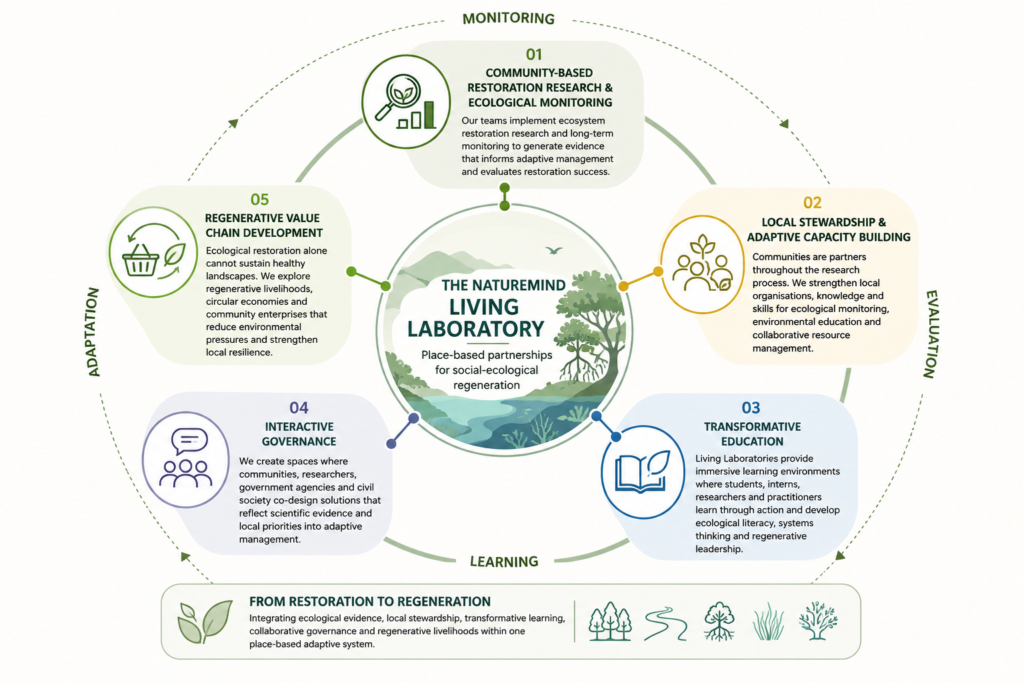
01
Community-Based Restoration Research and Ecological Monitoring
Our teams implement ecosystem restoration research and conduct long-term ecological monitoring using field surveys, biodiversity assessments, drone technology, GIS mapping and participatory monitoring. These datasets allow us to evaluate restoration success while informing adaptive management decisions.
02
Local Stewardship & adaptive capacity building
Communities are not simply beneficiaries of restoration—they are partners throughout the research process. We support local organisations in ecological monitoring, environmental education and collaborative natural resource management that strengthens long-term stewardship.
03
Transformative Education
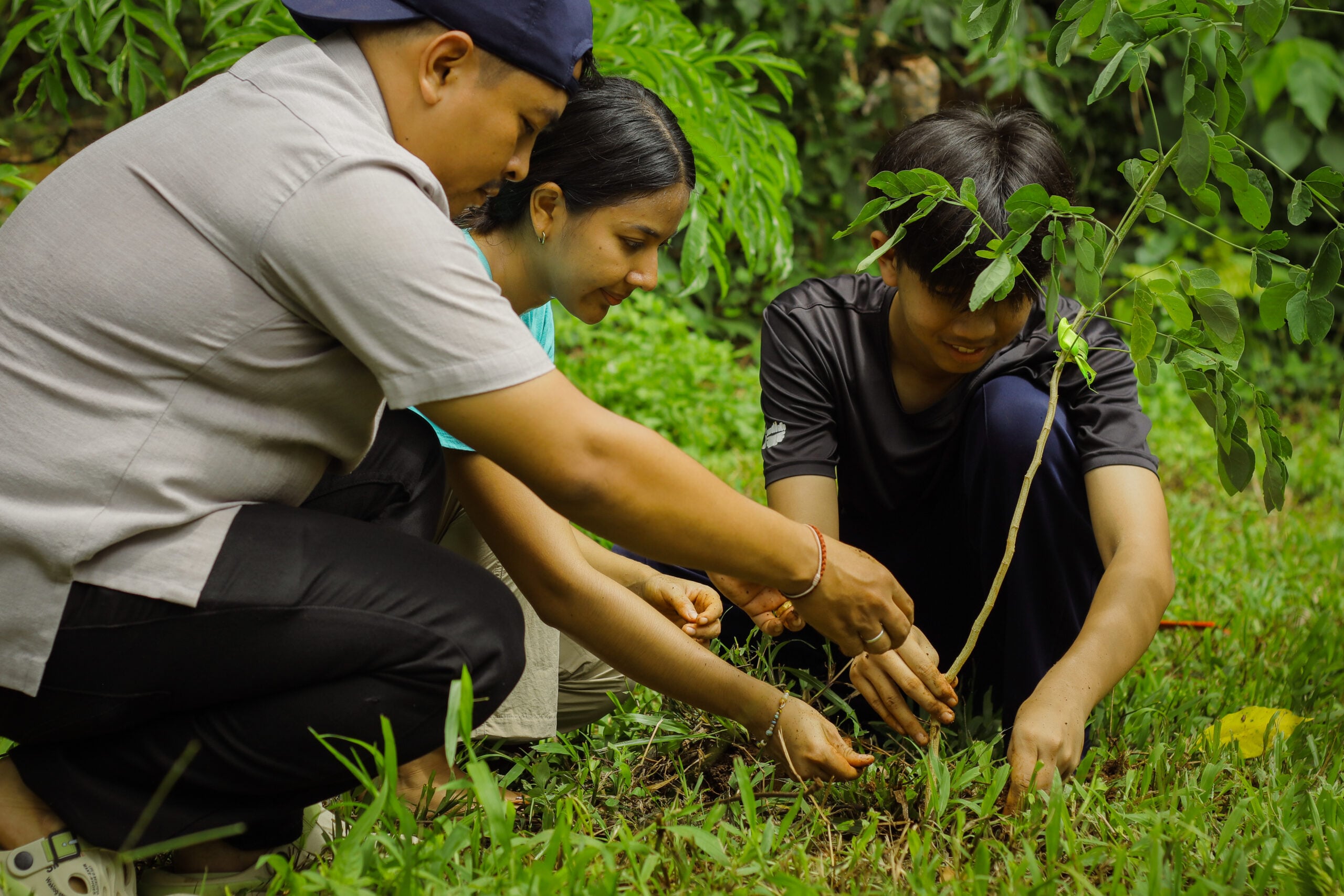
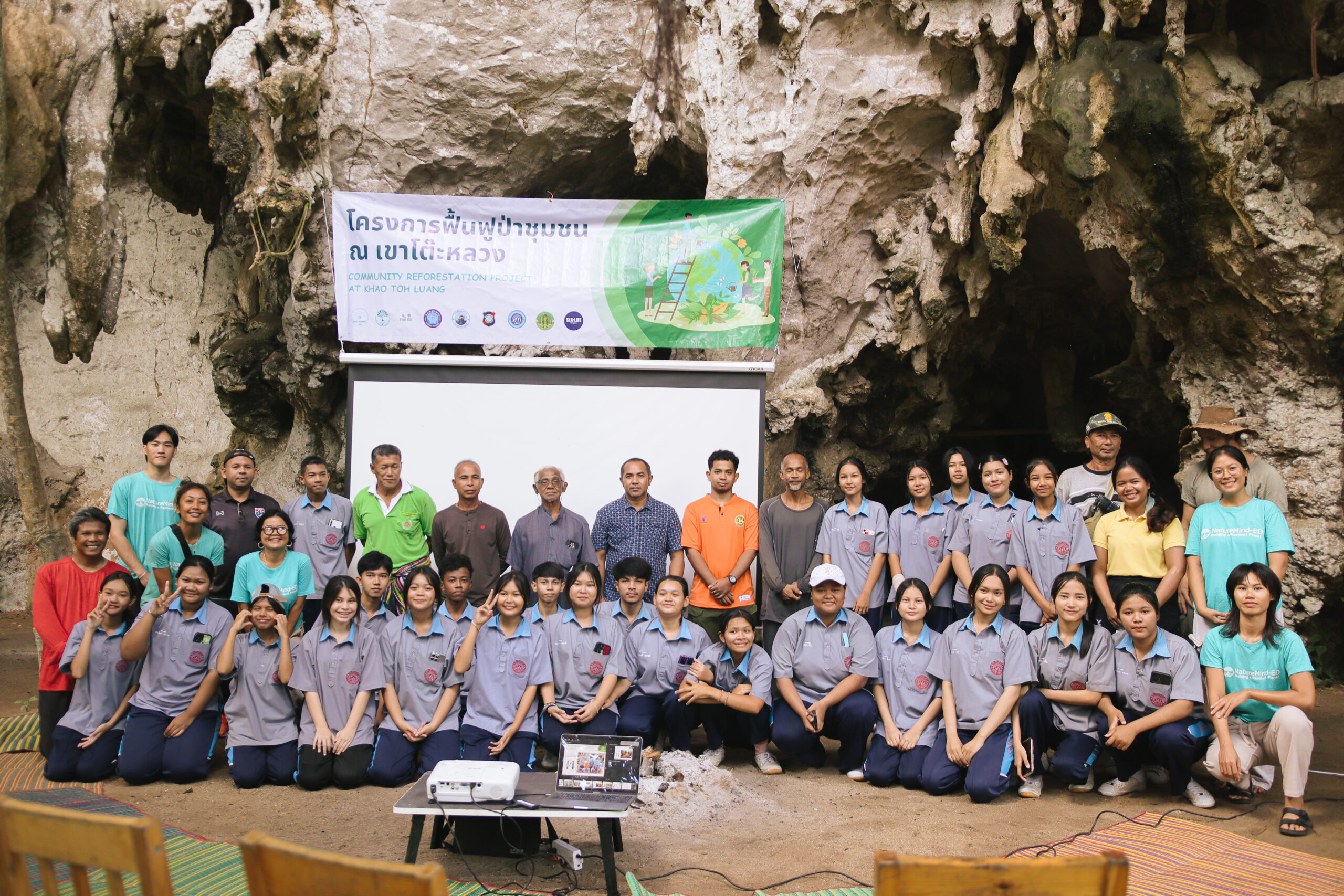
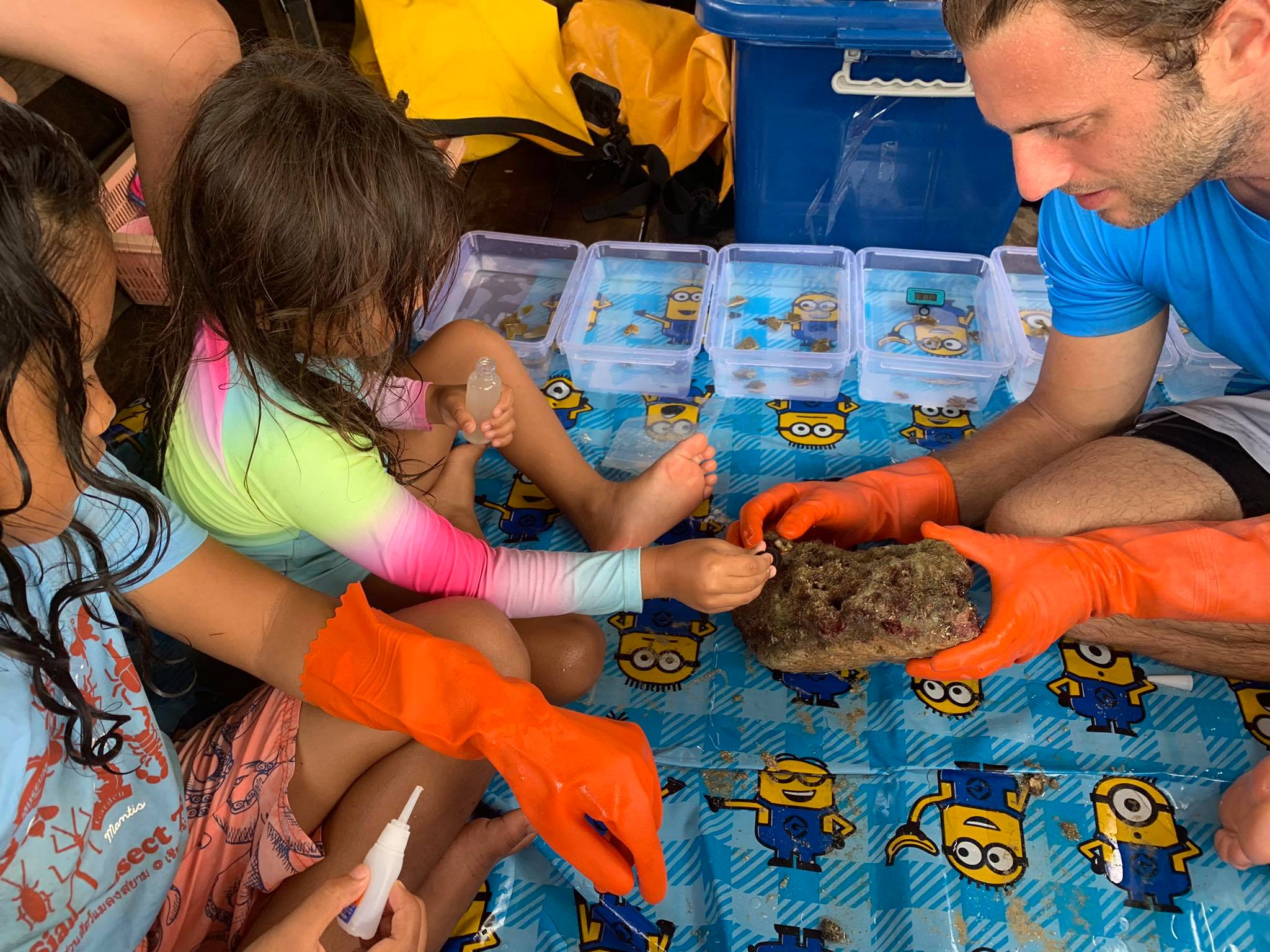
Living Laboratories provide immersive learning environments where students, interns, researchers and practitioners contribute directly to conservation projects while developing ecological literacy, systems thinking and regenerative leadership.
04
Interactive Governance
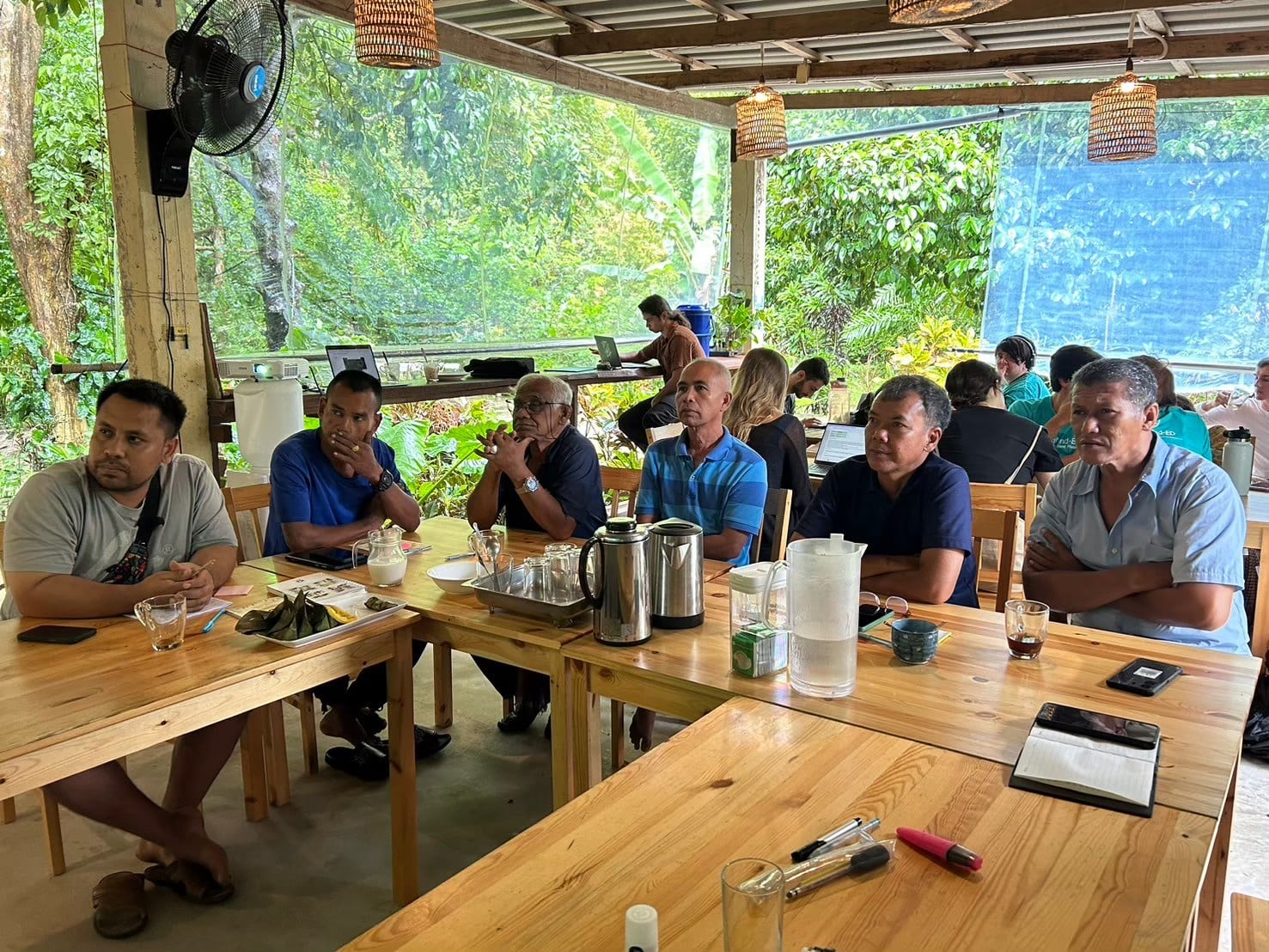
Complex environmental challenges require collaboration across sectors. Our Living Laboratories create spaces where local communities, researchers, government agencies and civil society organisations co-design solutions that reflect both scientific evidence and local priorities into adaptive management.
05
Regenerative Value Chain Development
Ecological restoration alone cannot sustain healthy landscapes. Our Living Laboratories also explore regenerative livelihoods, circular economies and community enterprises that reduce environmental pressures while strengthening local resilience.
FOREST-TO-REEF LIVING LABORATORY NETWORK


CoForREST | Community Forest Restoration For Ecological and Social Transformation
SEAGONG | Seagrass and Dugong Conservation
ManCo-RE | Mangrove Communities for Resilient Ecosystems
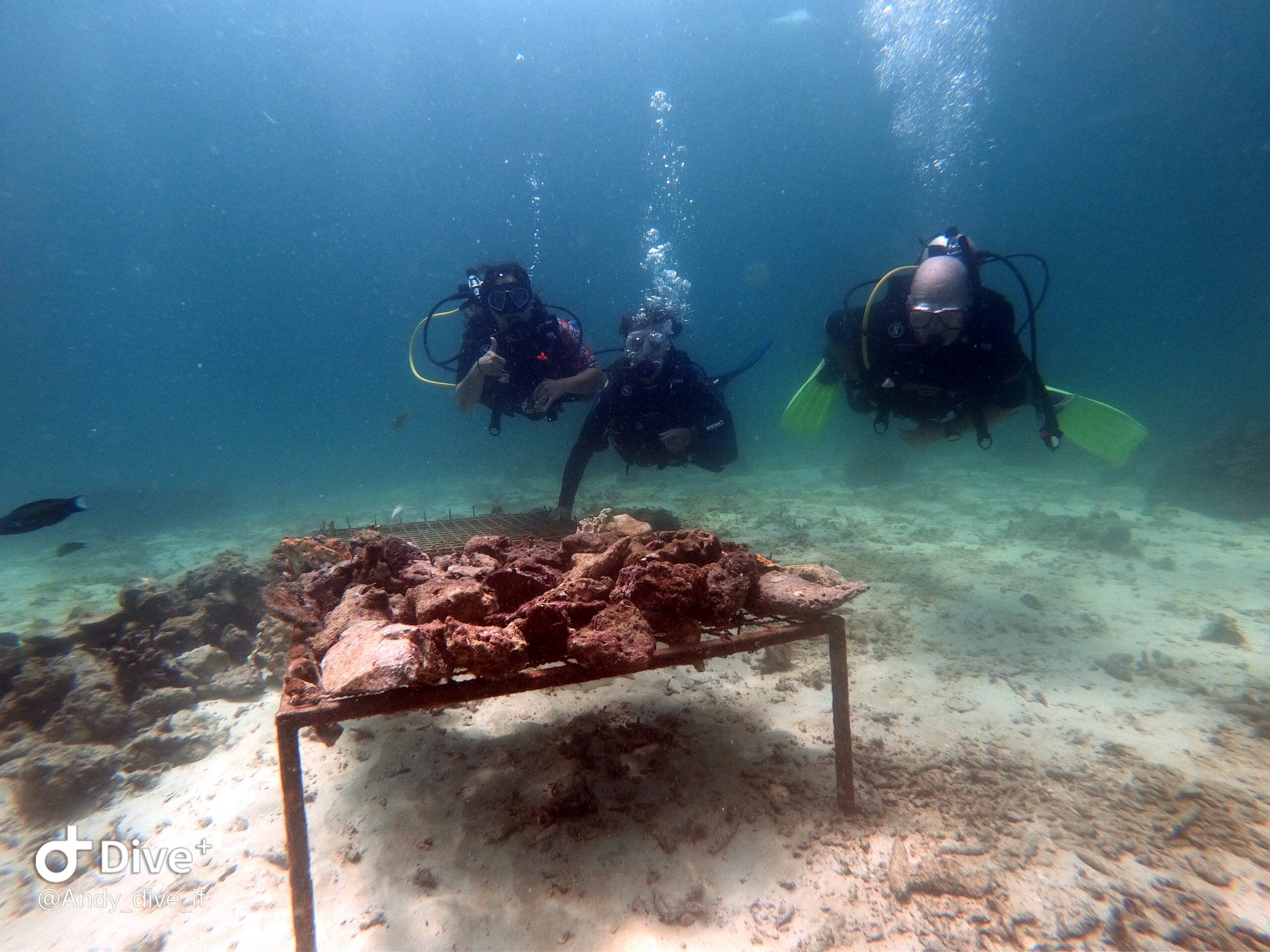
ProReef | Coral Reef Restoration and Marine Biodiversity
REGENERATIVE DEVELOPMENT LIVING LABORATORIES


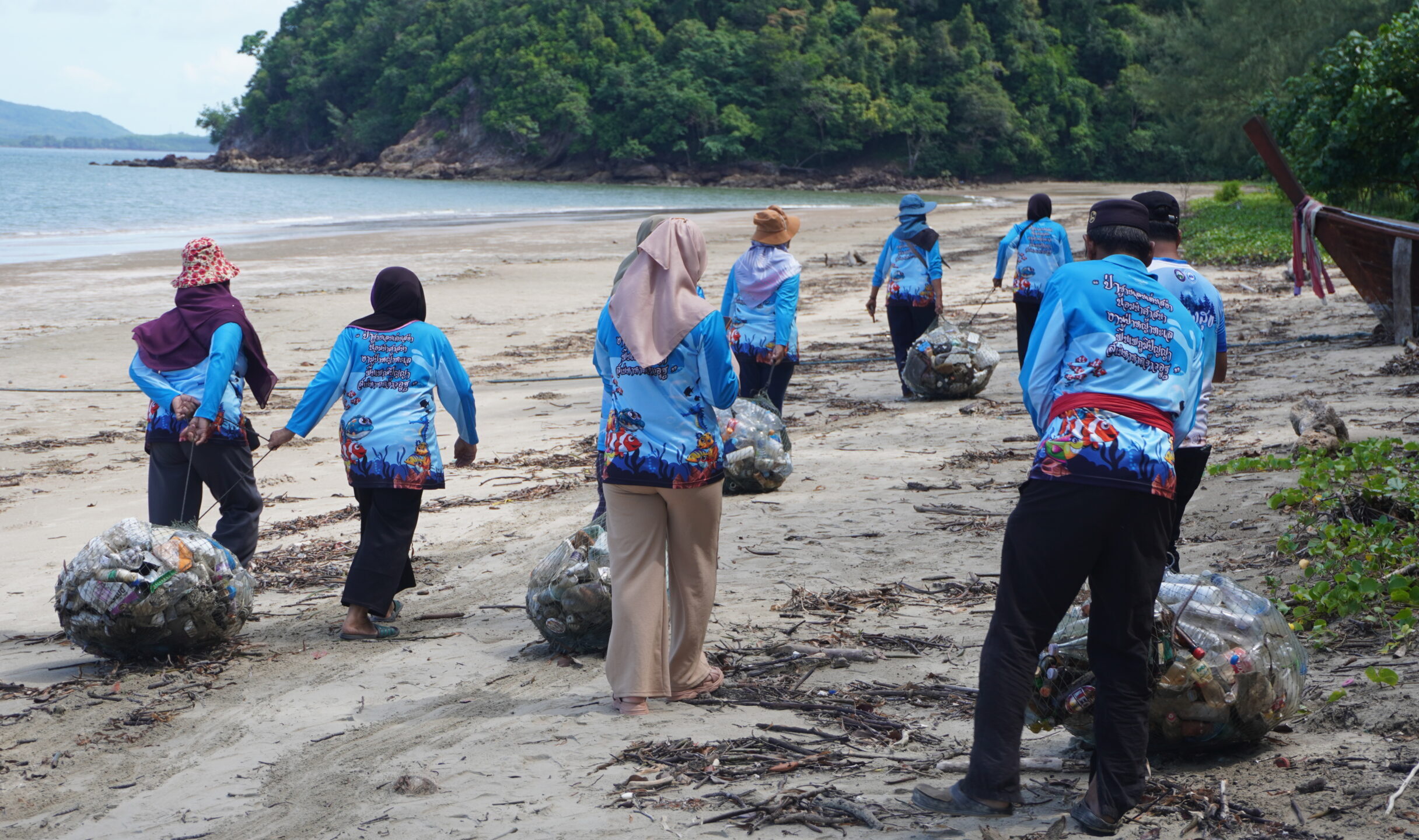
WastEd | Circular Economy and Waste Education
ReGen | Regenerative Living Systems
COMMUNITY-BASED NATURAL RESOURCE MANAGEMENT AND GOVERANCE
Impactful collaboration
RESEARCH PARTNERSHIPS AND ACADEMIC COLLABORATION
NatureMind collaborates with universities, research institutes, government agencies, conservation organisations and local communities to advance evidence-based ecosystem restoration.
Our network includes partnerships with the Department of Marine and Coastal Resources (DMCR), the Department of National Parks (DNP), international conservation organisations, universities, student researchers and community organisations working throughout Thailand and Southeast Asia.
These collaborations ensure that our Living Laboratories produce rigorous scientific evidence while remaining grounded in local priorities and practical conservation outcomes.




GET INVOLVED IN OUR LIVING LABORATORY NETWORK
Whether you are a researcher, student, organisation, company or community member, there are many ways to contribute to our community-based ecosystem restoration efforts in Thailand.
- Research collaborations — Develop joint research projects, share expertise and contribute to long-term ecological monitoring. → Co-develop research, share data, or join our academic network.
- Corporate partnerships & CSR — Support restoration research, biodiversity conservation and regenerative development initiatives. → Regenerative business development services and research sponsorship packages.
- Students & internships — Join field-based research and gain practical experience in ecosystem restoration and other elements of Living laboratories → Students who want to take part in the field can join through our internship program.
- Community funding — Help expand Living Laboratories and support long-term conservation through targeted restoration campaigns. → Support specific restoration research through community funding.
Krabi, Thailand
Explore Internship, volunteering, and Professional Apprenticeships Programs
meet the team
Passionate individuals with different expertises
PhD
GALLERY
How we spend our days